


I didn’t think much about ring sizes until a close friend called me in a mild panic one evening. He’d ordered a ring online — beautiful stone, perfect design — and when it arrived, it simply wouldn’t slide past the knuckle. Not even close. There was a pause on the line, then a quiet, “How do people even know their ring size?”
Honestly? It’s a fair question. Especially now, when so many of us are buying jewellery online, often from overseas, and trying to match international sizing systems that don’t always play nicely with each other.
If you’ve ever found yourself googling tallas de anillos españa en cm at midnight while second-guessing your measurements, you’re definitely not alone. And if you’re pairing that search with a growing curiosity about lab created diamonds, well, you’re very much part of a modern jewellery movement that’s reshaping how we buy, gift, and think about rings.
Let’s slow this down and talk it through — the way a real person would — because there’s more nuance here than most sizing charts will ever tell you.
Why ring sizing feels more complicated than it should
On paper, ring sizing sounds simple. Measure your finger, match the number, done. In reality, it’s a bit messier.
Finger size changes throughout the day. Temperature matters. Humidity matters. Even whether you’ve had a salty lunch can affect how your ring fits. I was surprised to learn just how much fluctuation can happen between morning and evening — sometimes nearly half a size.
Now add international sizing into the mix. In Australia, we typically use letter-based sizing. Spain, like much of Europe, relies on circumference measured in centimetres. That’s where tallas de anillos españa en cm becomes such a crucial phrase for anyone ordering from Spanish or European jewellers.
The Spanish system measures the inner circumference of the ring in centimetres. So a ring size “16” in Spain means 16 cm around the inside. Sounds straightforward — but only if you know how to measure properly.
Measuring your ring size at home (without losing your mind)
If you’re measuring at home — which, let’s be real, most of us are — there are a few tricks that actually work.
First, avoid measuring first thing in the morning or late at night. Fingers tend to be smaller when you wake up and slightly swollen after a long day. Midday is your safest bet.
Wrap a thin strip of paper or string around the base of your finger. Not too tight, not loose enough to spin. Mark where it overlaps, then measure that length in centimetres. That number gets you very close to your Spanish ring size.
Still, I always tell people to measure twice. Or three times. On different days. It sounds excessive, but rings aren’t exactly impulse buys — especially when diamonds are involved.
And if you already own a ring that fits perfectly, measuring its inner circumference with a ruler can be even more accurate. Quietly, that’s what most jewellers do too.
Where lab created diamonds enter the conversation
Here’s where things get interesting.
In the past, ordering a diamond ring internationally felt risky. High prices, limited customisation, long wait times. But the rise of lab created diamonds has changed the mood entirely.
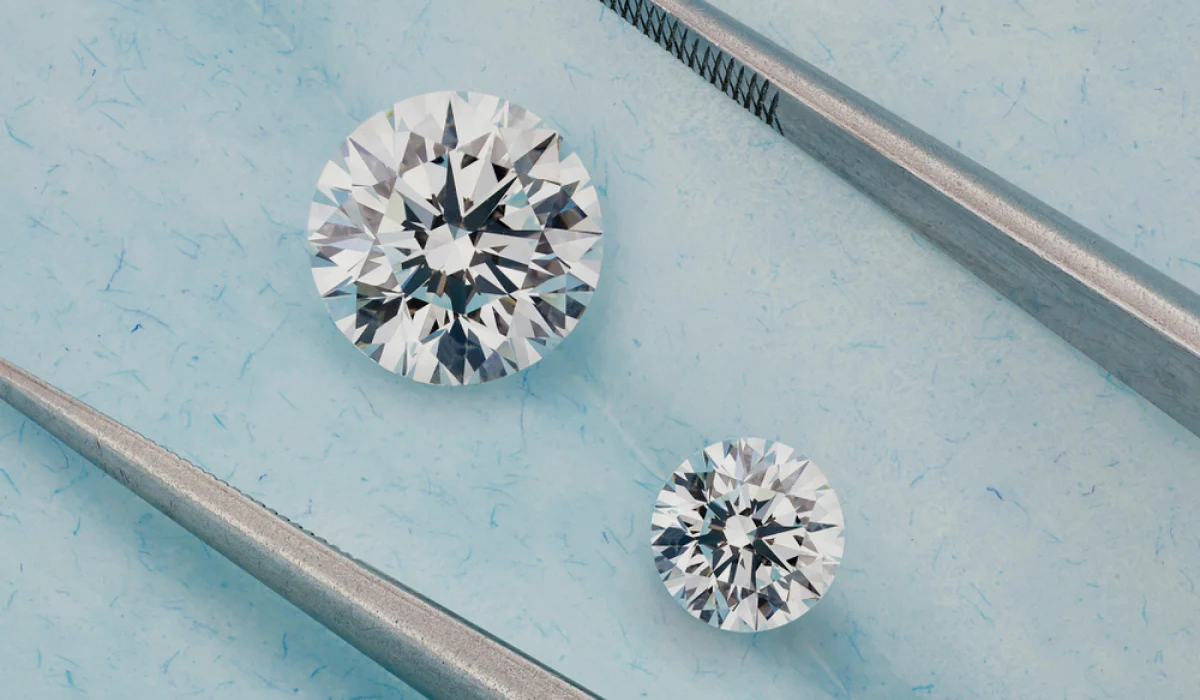
These stones are chemically and optically identical to mined diamonds. Same sparkle. Same hardness. Same durability. The difference? They’re grown in controlled environments instead of pulled from the earth.
When I first looked into lab-created stones, I expected them to feel… lesser. That’s the narrative we’ve been fed for decades. But once you see them in person, that assumption falls apart pretty quickly.
What really surprised me was how many European jewellers now specialise in lab diamonds. Spanish designers, in particular, are leaning into clean lines, sustainable sourcing, and custom sizing — which brings us right back to knowing your tallas de anillos españa en cm before clicking “buy.”
Why sustainability is quietly driving jewellery choices
People don’t always say this out loud, but buying jewellery carries emotional weight. Engagements. Anniversaries. Personal milestones. There’s a growing discomfort around pairing those moments with ethical uncertainty.
Lab created diamonds offer a cleaner narrative. No mining damage. No questionable supply chains. Lower carbon footprint. And — let’s be honest — significantly better value for money.
From an Australian perspective, this shift feels especially relevant. We’re practical buyers. We like quality, but we also care about where things come from. That mindset aligns naturally with lab-grown stones.
I’ve spoken to couples who chose lab diamonds not because they were cheaper, but because they didn’t want to compromise their values on such a meaningful purchase. The savings were just a bonus.
Custom rings, international brands, and why sizing matters more than ever
One thing that doesn’t get enough attention is how customisation has exploded alongside lab created diamonds. When stones are grown to order, jewellers have far more flexibility. Different cuts. Unique settings. Precise sizing.
But custom also means less room for error.
If you’re ordering a bespoke ring from Spain, France, or Italy, the responsibility shifts to you to get the measurements right. That’s where understanding tallas de anillos españa en cm stops being a technical detail and starts being essential knowledge.
Many reputable jewellers will happily convert sizes for you — but conversions aren’t perfect. Centimetre-based sizing is more precise than letter systems, which is great… unless you guess wrong.
That’s why experienced buyers often recommend sticking to the original sizing system of the country you’re ordering from, rather than converting back and forth multiple times.
A quiet myth about lab diamonds that needs correcting
There’s still a lingering myth that lab created diamonds don’t “hold value.” I hear it all the time.
Here’s the thing: most jewellery doesn’t hold resale value the way people expect, regardless of origin. Emotional value and resale value aren’t the same. Engagement rings, especially, are rarely bought as investments.
What lab diamonds do offer is transparency. You know exactly what you’re paying for. You’re not subsidising decades of artificial scarcity or complex supply chains.
For many buyers, that clarity matters more than hypothetical resale figures decades down the line.
Buying internationally without regret
If you’re considering an overseas jeweller — particularly in Spain — here’s my practical advice, learned the slow way:
Measure your finger carefully and understand tallas de anillos españa en cm properly. Don’t rush it.
Ask questions. Reputable jewellers expect them.
Request a resizing policy in writing, just in case.
And if you’re choosing lab created diamonds, ask for certification, just as you would with mined stones.
None of this should feel awkward. You’re making a meaningful purchase, not ordering takeaway.
The quiet confidence of getting it right
There’s something deeply satisfying about a ring that fits perfectly. No spinning. No pinching. No awkward pauses when it refuses to come off in public.
When sizing, ethics, and design all align, the piece stops feeling like a product and starts feeling personal. That’s the goal, really.
Whether you’re shopping for yourself, planning a proposal, or upgrading a ring you’ve worn for years, taking the time to understand details like tallas de anillos españa en cm and the reality of lab created diamonds puts you back in control of the process.


