


Ever walked past a pawn shop and wondered, “Wait, how does this whole thing actually work?” You’re not alone. Those glowing signs that say “Cash for Gold” or “We Buy Jewellery” are everywhere, especially in Melbourne. But behind that counter lies a world that’s part business, part human story, and part survival instinct.
And yeah, Melbourne gold buyers know this world better than most.
Let’s unpack it — without the boring finance talk.
A Quick Backstory: The Hidden Side of Pawn Shops
Here’s something you might not know: pawn shops have been around for over 3,000 years. Yep. The basic idea — swapping something valuable for short-term cash — hasn’t changed much since ancient China. Kinda wild, right?
Fast-forward to Melbourne today, and the idea’s still thriving.
Maybe you’re tight on rent, maybe you just found a gold bracelet in an old drawer, or maybe you’re curious if that dusty ring your grandma left behind is worth anything. Enter: the pawn shop.
Now, some folks think pawn shops are shady. But honestly? That’s mostly from movies. Real pawn brokers — especially Melbourne gold buyers — are running legit, government-regulated businesses. They’re part appraiser, part loan officer, and part detective (because people bring everything through those doors).
The Scene: A Mix of Treasure and Chaos
Picture this:
You walk into a local pawn shop near Swanston Street. It’s got a mix of vibe — part antique shop, part mini bank. The air smells like polished wood and old metal. On the shelves? A random mash-up of stuff: gold chains, guitars, watches, maybe a surfboard or two.
Behind the counter, there’s someone with a jeweller’s loupe inspecting a gold necklace under bright light. You can almost see the gears turning — is this 18k gold or just plated?
Pawn shops are weirdly fascinating because every item tells a story. That gold bangle might’ve been someone’s anniversary gift. That Rolex could’ve been a graduation present. It’s not just stuff. It’s sentiment with a price tag.
Let’s Be Honest: Why People Go to Pawn Shops
Money. Straight up.
Sometimes life throws curveballs — bills, emergencies, or just bad timing. A pawn shop becomes that middle ground between desperation and practicality. Instead of selling your valuables permanently, you’re basically saying, “Hey, hold this for me while I get back on my feet.”
Here’s how it usually goes:
-
You bring in an item (say, a gold chain).
-
The pawn shop appraises it.
-
They offer you a loan based on a fraction of its market value.
-
You get cash immediately.
-
You’ve got a set time (often 30–90 days) to pay back the loan + a small interest.
-
If you don’t repay, the pawn shop keeps the item.
No credit checks. No long forms. Just simple, old-school trust.
And here’s the part people forget — it’s not always about being broke. Some people pawn to avoid selling during a low market. Others just use it as a quick cash flow trick.
Modern Twist: Melbourne Gold Buyers Are Changing the Game
Now, not all pawn shops are created equal. In Melbourne, gold buyers have taken the old-school pawn model and turned it into something surprisingly polished (pun intended).
They’re blending tech with tradition. For instance, you can now get an online gold appraisal before even visiting. You just upload a few pics, describe the item, and — boom — you get an estimate. No awkward face-to-face haggling (at least not yet).
Melbourne gold buyers are also offering spot-price-based payouts, meaning your gold is valued according to the current international gold rate. That’s a big deal. It means you’re less likely to get shortchanged.
And they’re picky — in a good way.
They test items with electronic gold testers, acid kits, and sometimes even XRF scanners (yeah, like those sci-fi gadgets).
Some even recycle gold, melting it down to create new pieces or sell it to refiners. It’s kind of poetic — old memories turned into new beginnings.
How It Actually Works (Without the Jargon)
Alright, let’s get practical.
If you’re thinking of walking into a pawn shop in Melbourne, here’s roughly what happens — step by step:
1. Bring Your Item
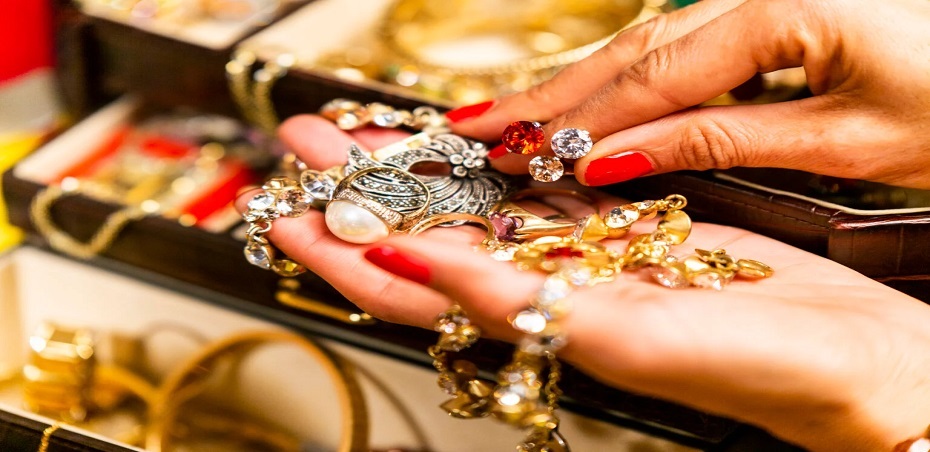
It could be gold, silver, diamonds, a watch, or even a collectible. (Yes, even rare sneakers make the cut sometimes.)
2. Appraisal Time
The broker checks the item’s authenticity, purity, and condition. If it’s gold, they’ll check carat levels — 9k, 14k, 18k, etc. The higher the carat, the more valuable it is.
3. The Offer
They’ll give you two options:
-
Sell outright — get a fixed price, walk away.
-
Pawn — get a loan, repay later, and get your item back.
Simple choice. No pressure.
4. The Deal
You sign a short contract (usually includes repayment date and interest rate). Hand over the item, get your cash.
5. The Wait
You’ve got a grace period — often a few months. If you repay, you get your item back, just like that. If not, the shop legally owns it and can resell it.
And no, you don’t get bad credit marks or debt collectors at your door. The transaction just… ends.
Let’s Face It: It’s Not Always Perfect
Now, to be fair — pawn shops aren’t miracle workers. You’ll never get the full retail value for your item. Why? Because they’re taking the risk. They might not be able to resell it easily, or gold prices might dip.
So, expect around 60–70% of the item’s market value on average.
But here’s the flip side — speed and convenience. No waiting for online buyers, no dodgy meetups from Facebook Marketplace. Just quick, clean cash.
And to be honest, that peace of mind is worth something.
The Local Angle: Why Melbourne Is a Gold Buyer’s Paradise
Here’s a fun fact — Melbourne has one of Australia’s most vibrant pawn and gold trade scenes. You’ll find shops tucked between cafés, near train stations, even in upscale suburbs.
Why? Because Melbourne’s population is diverse, with a mix of new migrants, students, and collectors. That means variety. You’ll see everything from 24k Indian bangles to vintage European coins coming through the door.
Plus, Melburnians have a soft spot for sustainability. Selling or pawning gold is eco-friendly — it keeps precious metals in circulation instead of mining more. So, in a weird way, every pawned necklace is a little environmental win.
Tips Before You Walk In
Let’s make this easy. If you’re planning to visit Melbourne gold buyers anytime soon, keep these in mind:
-
Do Your Homework – Check the day’s gold price. If the market’s high, it’s a great time to sell.
-
Bring ID – Pawn shops legally need it for every transaction.
-
Be Realistic – You won’t get retail value, but you can negotiate respectfully.
-
Ask About Interest – Rates vary between shops. Some charge monthly, others by term.
-
Inspect Reviews – Local feedback can tell you which shops are honest and which… aren’t.
Pro tip: If you’re dealing with reputable Melbourne gold buyers, they’ll be upfront about everything. Transparency is part of their brand.
Why People Keep Coming Back
It’s not just about the money. For many, pawn shops are about trust. You know the broker. You know they’ll hold your items safe.
There’s something refreshingly human about it, too. No algorithms, no faceless customer service. Just people dealing with people — sometimes sharing stories, sometimes just nodding in mutual understanding.
One customer might pawn a gold chain to cover a car repair. Another might be buying a vintage guitar as a gift. Either way, it’s real life happening in real time.
Wrapping It Up: The Gold at the End of the Counter
So, how do pawn shops work?
They’re a mix of old-school trade and modern-day convenience. A place where your valuables can temporarily buy you time — or freedom.
In a world that’s increasingly digital and detached, pawn shops (and especially Melbourne gold buyers) keep things grounded. Tangible. Personal.
Sure, it’s business. But it’s also a heartbeat of community — where value isn’t just about karats or cash, but about trust, timing, and a touch of human connection.
And honestly? That’s pretty golden.