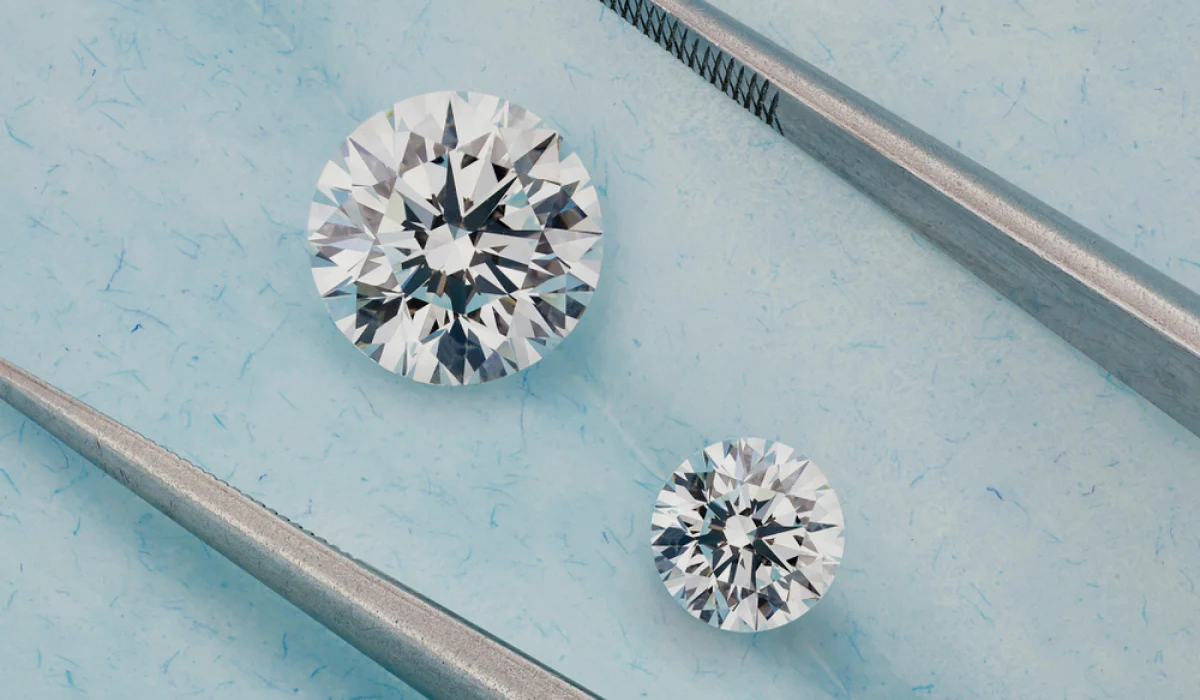




The popularity of lab diamonds has skyrocketed in recent years, thanks to their ethical appeal, affordability, and stunning beauty. However, many consumers are curious about how these diamonds are made. The two primary techniques used to produce hpht vs cvd are High Pressure High Temperature (HPHT) and Chemical Vapor Deposition (CVD). Each method has unique characteristics, advantages, and implications for the quality and appearance of the final diamond.
What Are Lab Diamonds?
Before diving into the differences between HPHT and CVD, it’s important to understand what lab diamonds are. These diamonds are real diamonds — chemically, physically, and optically identical to natural mined diamonds. The key difference is that lab diamonds are grown in a laboratory environment rather than mined from the earth.
This controlled setting allows manufacturers to create high-quality diamonds more quickly and with less environmental impact. The demand for lab diamonds continues to grow as more consumers seek sustainable and affordable alternatives to natural stones.
HPHT: High Pressure High Temperature Process
The HPHT method mimics the natural conditions under which diamonds form deep within the Earth’s mantle. This process involves subjecting a carbon source to extremely high pressures (about 5 GPa) and temperatures (around 1,500°C). Under these conditions, carbon atoms crystallize to form a diamond.
HPHT typically uses a press machine that can generate the necessary pressure and heat. The process can produce rough diamonds, which are then cut and polished to create the sparkling gems used in jewelry.
Advantages of HPHT Lab Diamonds
HPHT is known for producing high-quality diamonds that are very similar to natural diamonds in terms of crystal structure and color. This method is often used to enhance or improve the color of lower-grade natural diamonds, making them more marketable.
Because HPHT diamonds are grown under such extreme conditions, they tend to have fewer inclusions and good clarity. The process is also well-established and can produce relatively large diamonds, suitable for various jewelry applications.
CVD: Chemical Vapor Deposition Process
The CVD technique is a more recent innovation in the production of lab diamonds. Instead of using extreme pressure and temperature, CVD grows diamonds by depositing carbon atoms from a gas mixture onto a substrate in a vacuum chamber.
This process starts with a thin slice of diamond seed placed inside the chamber. Carbon-rich gases, such as methane, are introduced and broken down by plasma energy, causing carbon atoms to settle on the seed layer and build up the diamond crystal layer by layer.
Advantages of CVD Lab Diamonds
CVD allows for greater control over the diamond growth process, enabling producers to tailor the properties of the diamond precisely. This method typically produces diamonds with excellent color and clarity, often classified as near-colorless or colorless.
Since CVD diamonds grow layer by layer, they can be produced with fewer internal defects and more consistent crystal structure. The ability to grow diamonds in thin layers also enables the creation of unique shapes and sizes.
HPHT vs CVD: Key Differences
While both HPHT and CVD produce genuine lab diamonds, there are notable differences between the two methods:
-
Growth Conditions: HPHT uses extreme pressure and temperature, while CVD relies on plasma and gas deposition at lower pressure.
-
Diamond Quality: Both methods produce high-quality diamonds, but CVD diamonds often have fewer inclusions and more uniformity.
-
Color Variations: HPHT can improve diamond color by altering crystal structure, sometimes used for color treatment, while CVD generally produces near-colorless diamonds.
-
Production Flexibility: CVD offers greater control and scalability, allowing for customized shapes and sizes more easily.
-
Cost and Time: CVD can be more efficient in terms of energy consumption and production speed, though costs vary depending on scale and technology.
Identifying HPHT vs CVD Diamonds
While lab diamonds from both methods look identical to the naked eye, gemologists can differentiate them using specialized equipment. HPHT diamonds often exhibit metallic inclusions from the growth process, while CVD diamonds might show distinctive growth patterns visible under a microscope.
Both types are graded and certified by gemological labs to provide transparency regarding their origin and quality, ensuring buyers can make informed decisions.
Environmental and Ethical Benefits of Lab Diamonds
Regardless of whether a diamond is grown by HPHT or CVD, lab diamonds offer significant environmental advantages over mined diamonds. Traditional diamond mining can cause habitat destruction, water pollution, and carbon emissions. Lab diamonds, in contrast, require less energy and eliminate the need for mining altogether.
Ethically, lab diamonds avoid the issues linked to conflict or “blood” diamonds, providing consumers with stones that have clear provenance and social responsibility.
Conclusion: Choosing Between HPHT and CVD Lab Diamonds
Both HPHT and CVD methods have revolutionized the diamond industry by making lab diamonds accessible, affordable, and sustainable. When choosing a lab diamond, understanding the differences between HPHT and CVD can help you select a stone that matches your preferences for quality, color, and price.
Whether created through the intense pressure of HPHT or the innovative layering of CVD, lab diamonds represent the future of fine jewelry—offering beauty, durability, and peace of mind in a single sparkling gem.