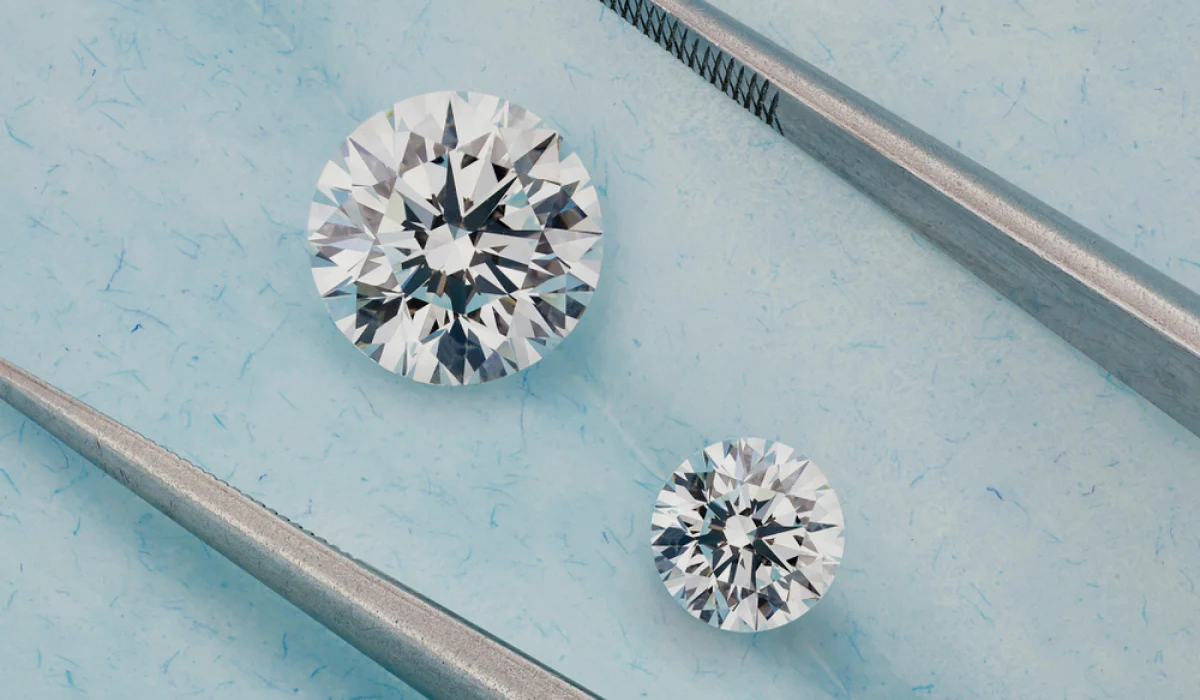


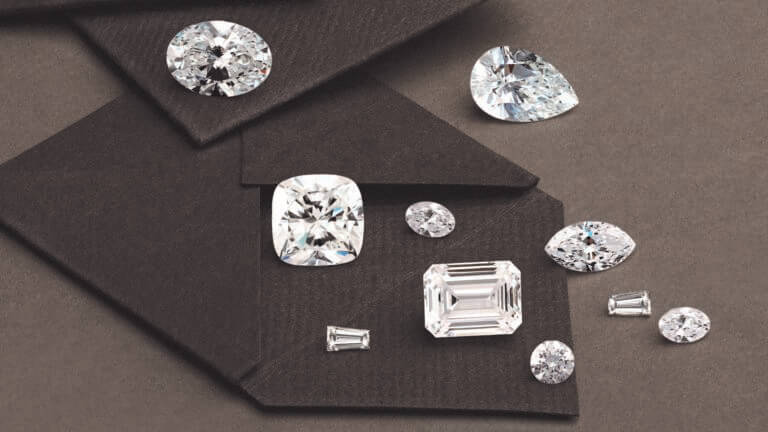

The debate of lab-grown diamonds vs real has sparked conversations across the jewellery industry in recent years, as more consumers become aware of ethical and sustainable alternatives to mined diamonds. While traditional diamonds have long been the symbol of luxury and elegance, man made diamonds are emerging as a revolutionary option for those who seek the beauty of diamonds without the ethical and environmental concerns associated with mining. In this article, we will explore the differences, benefits, and considerations between lab-grown diamonds and natural diamonds to help you make an informed decision when purchasing your next piece of jewellery.
What Are Lab-Grown Diamonds?
Lab-grown diamonds, also known as synthetic or man-made diamonds, are real diamonds that are created in controlled laboratory environments using advanced technology that mimics the natural diamond formation process. There are two primary methods used to create these diamonds:
-
High Pressure High Temperature (HPHT) – This method involves subjecting carbon to extremely high temperatures and pressures, simulating the conditions found deep within the Earth’s mantle.
-
Chemical Vapor Deposition (CVD) – In this process, carbon gases are introduced into a chamber, where they break down and form a diamond structure layer by layer.
These lab-grown diamonds are made of the same material as natural diamonds: pure carbon, arranged in a crystalline structure. As a result, lab-grown diamonds are virtually indistinguishable from natural diamonds to the naked eye.
What Are Real Diamonds?
Real diamonds, or natural diamonds, are formed deep within the Earth’s crust under intense heat and pressure over millions of years. They are mined from the Earth, typically from kimberlite pipes or alluvial deposits, and are then cut and polished into various shapes for use in jewellery. Natural diamonds are prized for their rarity, their natural formation, and their unique characteristics.
While both lab-grown diamonds and real diamonds share the same chemical composition, the main difference lies in their origin. Natural diamonds are formed through geological processes, while lab-grown diamonds are created through human ingenuity and technology.
The Differences Between Lab-Grown Diamonds and Real Diamonds
| Feature | Lab-Grown Diamonds | Real Diamonds |
|---|---|---|
| Formation Process | Created in a lab using advanced technology | Formed naturally in the Earth over millions of years |
| Chemical Composition | Identical to natural diamonds (pure carbon) | Identical to lab-grown diamonds (pure carbon) |
| Appearance | Identical to natural diamonds | Identical to lab-grown diamonds, but with natural inclusions that can be identified by an expert |
| Price | Generally 30-50% cheaper than natural diamonds | More expensive due to rarity and mining costs |
| Ethical Considerations | Sustainable and ethical | Can involve environmental and ethical concerns due to mining practices |
| Rarity | More readily available | Rare and limited in availability |
| Resale Value | Lower resale value compared to natural diamonds | Higher resale value, as they are considered rarer |
Price: Lab-Grown Diamonds vs Real
One of the most significant factors in the lab-grown diamonds vs real debate is the price. Lab-grown diamonds are typically 30-50% less expensive than natural diamonds of the same size and quality. This price difference is primarily due to the fact that lab-grown diamonds are created in a controlled environment, which eliminates the costs associated with mining, transportation, and other logistical factors involved in acquiring natural diamonds.
The affordability of lab-grown diamonds allows consumers to purchase larger stones, higher-quality diamonds, or more intricate settings without breaking the bank. For those on a budget but still wanting the beauty and brilliance of a diamond, man made diamonds provide an excellent alternative.
Ethical and Environmental Considerations
Natural diamond mining has raised concerns about its ethical and environmental impact. Diamond mining often involves harmful environmental practices such as habitat destruction, water contamination, and large amounts of waste. Additionally, some diamond mines have been associated with human rights violations, leading to the term “blood diamonds”.
In contrast, lab-grown diamonds are considered far more ethical and sustainable. Since they are created in a lab, there are no concerns about environmental damage, and the carbon footprint of lab-grown diamonds is typically much smaller than that of mined diamonds. Moreover, lab-grown diamonds are conflict-free, as they are not sourced from areas that may be associated with unethical mining practices.
The Aesthetic Appeal: Lab-Grown vs Real Diamonds
When it comes to the appearance of lab-grown diamonds vs real, the differences are virtually undetectable to the naked eye. Both types of diamonds exhibit the same brilliance, fire, and scintillation due to their identical chemical structure. The only difference is that natural diamonds may have inclusions, or tiny imperfections, that are formed over millions of years. These inclusions, while unique, can sometimes affect the diamond’s clarity.
Lab-grown diamonds, on the other hand, are often created in conditions that allow for fewer imperfections. As a result, lab-grown diamonds can sometimes have higher clarity, though many buyers appreciate the individuality of natural diamonds with their natural inclusions.
Durability and Hardness
Both lab-grown diamonds and natural diamonds are incredibly durable and resistant to scratching. Both types of diamonds rank 10 on the Mohs scale of hardness, which is the highest rating given to any material. This means that whether you opt for a lab-grown diamond or a natural diamond, you can expect your jewellery to stand the test of time and resist wear and tear.
Resale Value: Lab-Grown Diamonds vs Real
While man made diamonds hold significant value and are often appreciated for their beauty and craftsmanship, real diamonds tend to have a higher resale value. This is due to their rarity and the prestige associated with natural diamonds. However, as lab-grown diamonds become more widely accepted and recognized for their ethical and environmental benefits, the resale value gap may narrow over time.
If you are looking for a diamond that will retain its value in the long term, a natural diamond might be the better choice. However, for those who value sustainability and ethical sourcing over resale value, lab-grown diamonds offer a great alternative.
Certification and Transparency
Both lab-grown diamonds and real diamonds can be certified by reputable gemological laboratories like the GIA (Gemological Institute of America) and IGI (International Gemological Institute). Certification ensures that the diamond has been evaluated for its quality, including cut, color, clarity, and carat weight.
Lab-grown diamonds are graded using the same standards as natural diamonds, so you can be sure that you are getting a high-quality stone regardless of its origin.
The Future of Diamonds: A Shift Toward Sustainability
As more consumers become aware of the environmental and ethical issues surrounding natural diamond mining, the popularity of lab-grown diamonds is expected to grow. Lab-grown diamonds offer a sustainable, conflict-free, and affordable alternative without compromising on quality or beauty. They provide an opportunity for consumers to own real diamonds without contributing to environmental degradation or human rights abuses.
Conclusion: Which Is Right for You?
The choice between lab-grown diamonds vs real ultimately depends on your personal preferences, values, and budget. If you are looking for a more affordable, ethical, and sustainable option, man made diamonds offer an excellent solution. They are real diamonds in every sense, with the added benefit of being environmentally friendly and conflict-free.
On the other hand, if you value rarity, tradition, and the prestige of owning a natural diamond, then a mined diamond may still be the best choice for you.
No matter which type of diamond you choose, it’s important to make an informed decision that aligns with your values and lifestyle. With both lab-grown and natural diamonds available, there’s never been a better time to embrace the beauty and brilliance of these remarkable gemstones.